
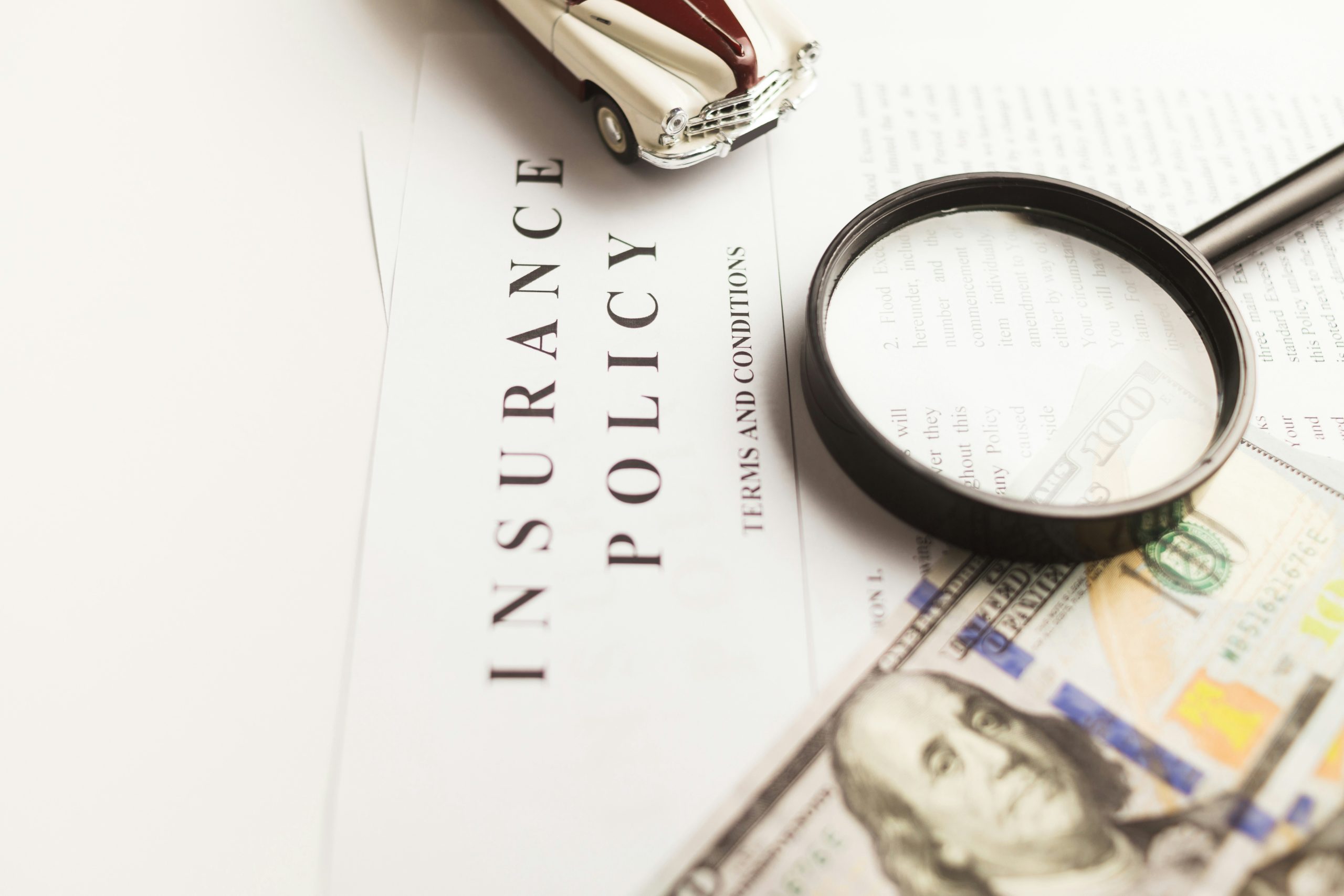
General liability insurance for a small business startup typically costs between $300 to $600 annually for a basic policy, though this can vary significantly. Factors like your industry, location, and coverage limits heavily influence the final premium.
This coverage is crucial because it protects your business from common claims such as bodily injury, property damage, and advertising injury. Think of it as your business’s foundational safety net, similar to how a basement provides a solid foundation for a house, even during harsh Midwest winters.
What Impacts General Liability Insurance Costs?
Several key elements determine how much you’ll pay for general liability insurance. Understanding these helps you anticipate your expenses and make informed decisions.
Your Business’s Industry and Operations
The type of work your business does is perhaps the most significant factor. A graphic designer working from a home office faces different risks than a roofing contractor.
- Higher-Risk Industries: Businesses with a greater chance of causing injury or property damage, like construction, landscaping, or restaurants serving alcohol, will naturally pay more. A plumber, for instance, has a higher likelihood of causing water damage than a consultant.
- Lower-Risk Industries: Professions such as marketing consultants, online retailers, or virtual assistants generally have lower premiums because their operations present fewer physical risks.
Business Location and Local Risk Factors
Where your business operates affects your general liability costs. Urban areas with higher foot traffic might see different rates than rural locations.
- Regional Claim Frequency: Some areas have higher rates of lawsuits or specific types of claims, which insurance carriers factor into their pricing.
- Building Type and Accessibility: If clients visit your physical location, the safety of your premises, including stairwells and parking lots, plays a role.
Coverage Limits and Deductibles
The amount of protection you choose directly impacts your premium. Opting for higher coverage limits means the insurance company takes on more potential risk.
- Per Occurrence Limit: This is the maximum amount the insurer will pay for a single incident.
- Aggregate Limit: This is the maximum total amount the insurer will pay out over the policy period (usually one year), regardless of the number of claims.
- Deductible: Your deductible is the amount you pay out-of-pocket before your insurance coverage kicks in. A higher deductible typically results in a lower premium, but it means more initial expense for you if a claim arises.
Your Business’s Annual Revenue
Generally, higher revenue indicates a larger business operation and potentially more exposure to risk, which can lead to higher premiums. An insurance company sees a business generating millions differently than one generating thousands.
Number of Employees
More employees often mean more potential for incidents. Each employee represents another individual who could potentially be involved in an incident leading to a claim, even if indirectly.
Claims History
While a startup won’t have a claims history for general liability, any prior business experience or related claims could be considered. For established businesses, a history of frequent or costly claims will lead to higher premiums.
When considering the costs associated with starting a small business, it’s essential to understand not only general liability insurance but also other types of coverage that may be relevant to your situation. For instance, if your business operates from home, you might be curious about how your homeowners insurance interacts with potential water damage claims. To learn more about this topic, you can read the article on whether homeowners insurance covers water backup, water damage, or floods by visiting this link. Understanding these nuances can help you make informed decisions about your insurance needs as a small business startup.
Understanding General Liability Coverage
General liability insurance is a foundational policy for most small businesses. It protects against common third-party claims.
What Does General Liability Cover?
This policy is designed to address a range of unforeseen events that could otherwise significantly harm your business financially.
- Bodily Injury: If a customer slips and falls in your office, or an employee accidentally injures a client during a service visit, this covers medical expenses, rehabilitation, and even lost wages if they are unable to work. This could be as simple as a delivery person tripping on an uneven sidewalk leading up to your storefront.
- Property Damage: This protects you if your business causes damage to someone else’s property. For example, if a cleaning crew spills harsh chemicals on a client’s custom hardwood floor, general liability can cover the repair or replacement costs.
- Personal and Advertising Injury: This covers claims like libel, slander, copyright infringement in advertising, or wrongful eviction. If a competitor claims your ad campaign unfairly maligns their product, this policy can help with legal defense costs.
What General Liability Doesn’t Cover
It’s important to know the limitations of general liability so you can identify if you need additional policies.
- Professional Mistakes (Errors & Omissions): If you give incorrect advice or make a professional error that causes financial harm to a client, general liability won’t cover it. That typically falls under professional liability (E&O) insurance. Think of an architect whose design flaw causes structural issues.
- Employee Injuries: While general liability covers third-party bodily injury, it does not cover injuries to your employees. That’s the role of Workers’ Compensation insurance.
- Damage to Your Own Property: If your office building is damaged by fire or your business equipment is stolen, general liability won’t cover those losses. Business property insurance (often part of a Business Owner’s Policy) handles that.
- Auto Accidents: Accidents involving company vehicles are covered by commercial auto insurance, not general liability.
- Intentional Acts: General liability won’t cover damages or injuries that result from intentional illegal acts committed by you or your employees.
How to Get the Best Rate on General Liability Insurance
While costs are influenced by many factors, there are concrete steps you can take to manage your premiums without sacrificing essential coverage.
Shop Around with Multiple Carriers
This is perhaps the most effective strategy. Just like you wouldn’t buy the first car you see, don’t settle for the first insurance quote. Different carriers have different appetites for risk and pricing structures.
- Independent Agents: Working with an independent agent gives you access to quotes from dozens of carriers at once. They can compare policies and identify the best value for your specific business needs. This is akin to having a local garage mechanic who knows the ins and outs of various vehicle models and can recommend the right fit for your driving habits and budget.
- Online Comparison Tools: Many online platforms allow you to get multiple quotes, though these may not always capture the nuances of every small business’s risk profile.
Implement Robust Risk Management Practices
Insurers reward businesses that proactively minimize their risks. Demonstrating a commitment to safety can lead to lower premiums.
- Safety Protocols: Develop and enforce clear safety guidelines for employees and clients. This could include clear signage for wet floors, secure storage of hazardous materials, or proper training for equipment use.
- Employee Training: Regularly train employees on safety procedures, customer service best practices, and how to handle potential incidents. Well-trained staff are less likely to make costly mistakes.
- Maintain Premises: If you have a physical location, ensure it’s well-maintained, clear of hazards, and compliant with all local safety codes. This includes basics like good lighting, non-slip surfaces, and properly secured fixtures.
Choose Appropriate Coverage Limits
While you don’t want to be underinsured, paying for excessive coverage you don’t truly need can inflate your premiums.
- Assess Your Exposure: Consider your industry, the typical size of contracts, and the potential for damage or injury. A small, home-based consultant typically needs less coverage than a general contractor.
- Consult Your Agent: An experienced insurance agent can help you determine adequate limits based on your specific business and industry benchmarks. They can guide you on what amounts are common for businesses like yours.
Consider a Business Owner’s Policy (BOP)
For many small businesses, combining general liability with other essential coverages into a Business Owner’s Policy (BOP) can be more cost-effective.
- Bundled Savings: A BOP typically includes general liability, commercial property insurance, and business interruption insurance at a lower combined premium than purchasing each policy separately.
- Convenience: It simplifies your insurance management, as all these critical coverages are under one policy.
Manage Your Deductible Strategically
Electing a higher deductible means you pay more out-of-pocket if a claim occurs, but it results in lower monthly or annual premiums.
- Financial Capacity: Only choose a higher deductible if your business has sufficient cash reserves to cover that amount comfortably in the event of a claim. It’s like deciding how much you can reasonably afford to cover for home repairs before your homeowner’s insurance kicks in.
- Claim Frequency: If your industry or business model has a very low likelihood of frequent small claims, a higher deductible might be a viable cost-saving option.
When Do Startups Need General Liability Insurance?
Most startups need general liability coverage from day one. It’s not just a good idea; it’s often a prerequisite for doing business.
Before Meeting Clients or Customers
Any interaction where a third party (not an employee) could be injured or their property damaged creates exposure. This applies even if you’re just networking or doing initial consultations.
Before Signing Contracts
Many clients, landlords, and partners will require proof of general liability insurance as part of their contracts. A landlord might require it before you can sign a lease for office space, for example. Without it, you might lose out on significant opportunities.
Before Hiring Employees
Even before you formally hire, if you’re interviewing candidates at your business location, you have an exposure to anyone who enters your premises.
Operating Even a Home-Based Business
Don’t assume your homeowner’s policy will cover business-related incidents. Most homeowner policies specifically exclude business liability. If a client visits your home office and trips over your rug, your homeowner’s policy likely won’t cover their medical bills.
Even as a Sole Proprietor
Many sole proprietors believe they are fully protected because they operate independently. However, without a separate legal entity, your personal assets are at risk if you are sued. General liability helps shield those assets.
When considering the costs associated with starting a small business, understanding the various types of insurance is crucial. A related article that delves deeper into this topic is available at Kaufman Insurance Group, where you can explore essential insights on how to protect your business effectively. For more information, you can read the article on business insurance options that cater specifically to startups. This resource can help you navigate the complexities of general liability insurance and other necessary coverages.
Real-World Scenarios for Startup General Liability
Let’s look at a few hypothetical startup examples to illustrate the value and typical cost considerations.
Online Retailer Startup (Low Risk)
- Business: Selling handcrafted jewelry online from a home studio. No physical customer interaction.
- Risk Profile: Low. Primary risks involve shipping errors causing property damage or misrepresentation in advertising.
- Estimated Cost: $300 – $400 annually.
- Scenario: A competitor claims your product description plagiarizes their marketing copy, leading to a personal and advertising injury claim. Your general liability policy would help cover legal defense costs.
Mobile Pet Grooming Startup (Medium Risk)
- Business: Providing pet grooming services at clients’ homes or in a mobile van.
- Risk Profile: Medium. Risks include accidental injury to a pet, property damage in a client’s home, or a slip-and-fall entering or exiting the grooming van.
- Estimated Cost: $450 – $700 annually.
- Scenario: While grooming a dog in a client’s kitchen, the dog spooks, knocks over a piece of art, and it breaks. Your general liability would cover the cost of the damaged artwork.
Freelance Photographer Startup (Medium-High Risk)
- Business: Specializing in event photography, often working at various venues and client locations.
- Risk Profile: Medium-High. Risks include tripping over equipment, damaging venue property, or patrons getting injured by lighting stands.
- Estimated Cost: $500 – $800 annually.
- Scenario: During a wedding shoot, a lighting stand accidentally falls and lightly bumps a guest, causing a minor bruise and torn clothing. The policy could help cover medical expenses and replacement costs for the clothing.
Small Landscaping Startup (High Risk)
- Business: Offering lawn care, tree trimming, and garden design for residential clients.
- Risk Profile: High. Risks include accidental property damage (e.g., hitting a window with a rock from a mower), injuries to bystanders, or damage to underground utilities.
- Estimated Cost: $700 – $1,200+ annually, depending on services offered and equipment.
- Scenario: While edging a lawn, an employee accidentally damages a sprinkler head and a section of the client’s fence. Your general liability policy would help cover the repair or replacement costs. This is like hitting an unexpected frozen pipe when digging in the ground in January, an incident that requires immediate attention and repair.
Final Thoughts on Startup General Liability
Investing in general liability insurance early is a fundamental step for any small business startup. It provides protection against common, everyday risks that could otherwise derail your venture before it even gets off the ground. Think of it as purchasing that extra insulation for your new home in the often-chilly climate; it’s an upfront cost that offers significant long-term comfort and security.
While the exact cost depends on your unique business, focusing on comprehensive risk management, shopping around diligently, and understanding your coverage needs will ensure you get the right protection at a rate that makes sense for your startup budget. Don’t view it as an unnecessary expense, but rather a vital component of your business strategy, allowing you to operate with confidence and focus on growth.
Whether you are in Northeast Ohio or anywhere across the country, Kaufman Insurance Group is licensed. Contact us to shop 100+ Top Carriers.
FAQs
What is general liability insurance for a small business startup?
General liability insurance for a small business startup provides coverage for common risks such as third-party bodily injury, property damage, and advertising injury. It helps protect the business from financial losses due to lawsuits and other legal claims.
What factors affect the cost of general liability insurance for a small business startup?
Several factors can affect the cost of general liability insurance for a small business startup, including the industry, location, size of the business, coverage limits, deductible amount, and claims history. Additionally, the type of operations and the level of risk associated with the business can also impact the cost.
How much does general liability insurance typically cost for a small business startup?
The cost of general liability insurance for a small business startup can vary widely depending on the factors mentioned earlier. On average, small businesses can expect to pay anywhere from $400 to $1,500 per year for general liability insurance. However, this cost can be higher or lower based on the specific circumstances of the business.
Are there ways for small business startups to lower the cost of general liability insurance?
Small business startups can take several steps to lower the cost of general liability insurance. These include shopping around for quotes from different insurance providers, bundling policies, implementing risk management practices, maintaining a good claims history, and choosing higher deductibles to lower premiums.
Why is general liability insurance important for a small business startup?
General liability insurance is important for a small business startup because it provides financial protection against potential lawsuits and claims that could arise from everyday business operations. Without this coverage, the business could be at risk of significant financial losses and potential closure due to legal expenses and settlements.