

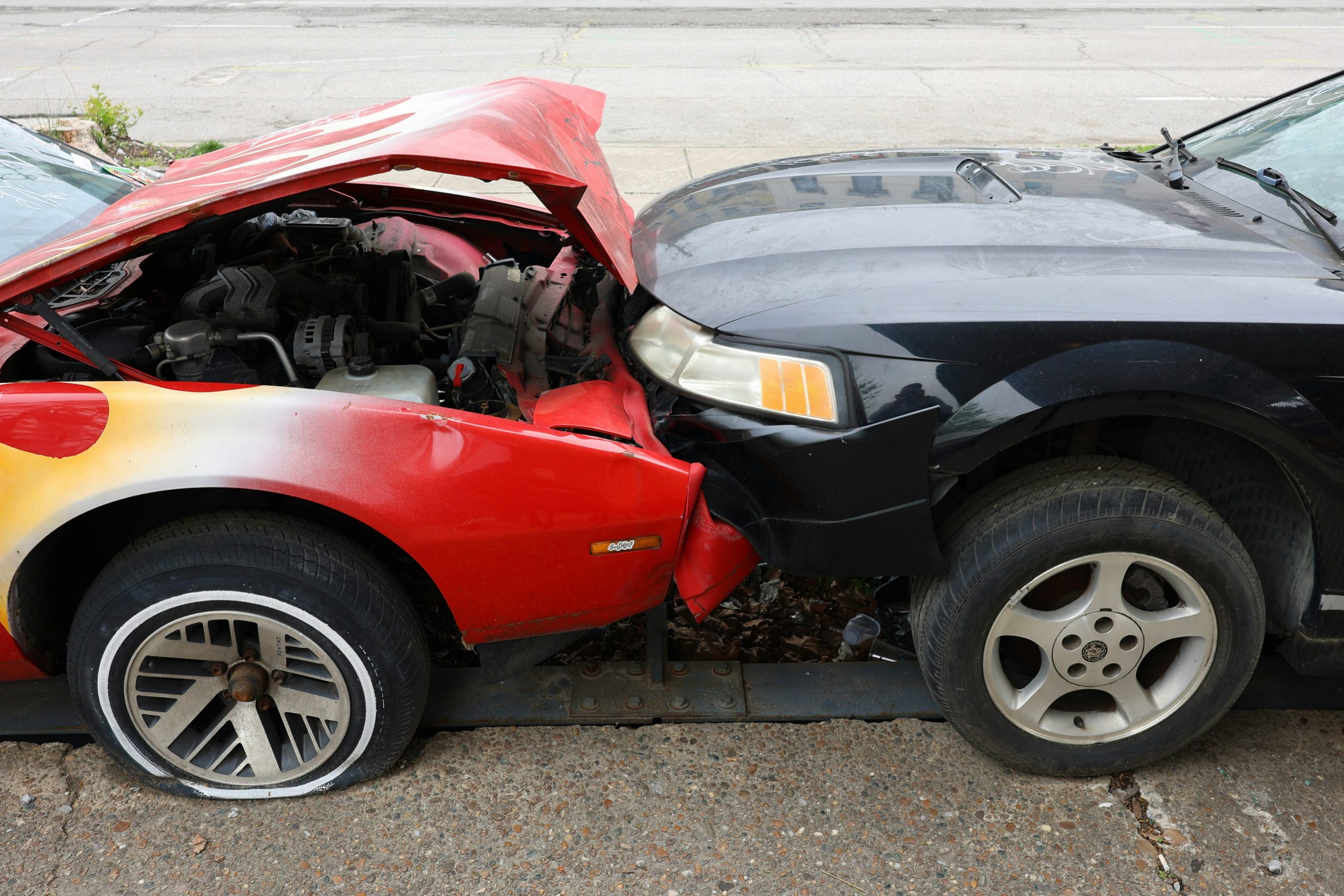
Yes, auto insurance can cover damage from potholes or road debris, but it depends on the type of coverage you have. Typically, collision or comprehensive insurance is needed for these incidents.
Understanding your policy’s specifics is crucial here. Not all standard liability coverage will protect your vehicle from these common road hazards.
Collision Coverage: Your Go-To for Potholes
Collision coverage is designed to pay for damage to your car resulting from a collision with another object or an overturned vehicle. Hitting a pothole squarely counts as colliding with an object.
- Pothole Impact: When your chassis takes a hard hit from a severe pothole, damaging your tires, rims, suspension, or alignment, collision coverage generally steps in. Think of it like hitting a curb unexpectedly; it’s a direct impact.
- Deductible Applies: Like any collision claim, your deductible will apply. If the repair cost is less than your deductible, it might not be worth filing a claim.
Comprehensive Coverage: For Debris and Unexpected Events
Comprehensive coverage handles damage to your vehicle from events other than collisions. This often includes things beyond your control, like falling objects or impacts with animals.
- Road Debris: If you swerve to avoid debris and hit a guardrail (that would be collision), or if debris flies up and cracks your windshield or dents your fender, comprehensive coverage is usually the answer. This is especially true for items kicked up by other vehicles or sudden impacts from unexpected sources on the road, much like hail damaging your car during a spring storm.
- Falling Objects: Imagine a truck losing part of its load, and it smashes into your car. That’s a comprehensive claim. Similarly, driving past a construction site and something falls on your vehicle; comprehensive would likely cover it.
- Glass Damage: Windshield cracks or chips caused by flying rocks or debris are almost always covered under comprehensive, often with a lower or even no deductible in some states.
What Basic Liability Insurance Doesn’t Cover
It’s important to clarify what liability insurance does. It pays for damage or injuries you cause to other people or their property. It does not cover damage to your own vehicle, regardless of the cause.
- No Personal Vehicle Protection: If you only carry basic liability, you’re on your own for pothole damage, debris strikes, or any other repairs to your car. This often surprises drivers, particularly those who have paid off their vehicle and dropped their additional coverages.
When considering whether auto insurance covers damage caused by potholes or road debris, it’s also important to understand how your insurance policy responds to other unexpected incidents, such as water damage from a burst pipe in your home. For more information on this topic, you can read the article on home insurance coverage in the event of a pipe bursting while you’re away: Am I Covered If a Pipe Bursts in My Home While I Am on Vacation?. This article provides valuable insights into the nuances of insurance coverage that can help you make informed decisions about protecting your property.
How Do Claims for Pothole and Debris Damage Work?
Filing a claim for these types of incidents follows a standard process, but documentation is key.
Documenting the Incident
The more information you have, the smoother the claims process will be. Treat it like you would any automobile incident.
- Take Photos: Immediately and safely take pictures of the damage to your vehicle. Also, photograph the pothole or debris itself, showing its size and the road conditions if possible. This visual evidence supports your claim.
- Note Location and Time: Pinpoint the exact location (street name, mile marker, nearest intersection) and the date and time of the incident. This can be helpful if the city or state is responsible for road maintenance.
- Gather Witness Information: If anyone saw the incident, get their contact details. While rare for potholes, it can be crucial for incidents involving specific pieces of debris.
- Police Report (Optional but Recommended): For significant damage or incidents involving a specific source of debris (like an object falling from another vehicle), a police report can strengthen your claim. For a simple pothole, it’s usually not necessary unless there’s a safety concern or blocking of traffic.
Filing the Claim
Once you have your documentation, contact your insurance provider.
- Contact Your Insurer Promptly: Don’t delay. Most policies require timely reporting of claims.
- Explain the Situation Clearly: Be precise about what happened. Describe the incident as impacting your vehicle (collision) or an external flying object causing damage (comprehensive).
- Await Adjuster Review: An adjuster will assess the damage and determine if it falls under your collision or comprehensive coverage. They might ask for your documentation.
When Might a Claim Not Be Worth It?

Sometimes, filing a claim can cost you more in the long run than paying out of pocket.
Understanding Your Deductible
Your deductible is the amount you pay out of pocket before your insurance coverage kicks in.
- Repair Cost vs. Deductible: If your deductible is $500 and the repair estimate for your bent rim and tire is $400, it makes no sense to file a claim. You’d pay the entire repair cost, and filing the claim could still potentially affect your premiums.
- Multiple Small Claims: Filing several small claims, even if they are covered, can sometimes lead to premium increases. Insurers often look at frequency of claims, not just severity.
Potential Impact on Premiums
Insurance premiums are calculated based on various factors, including your claims history.
- Claim History: While one or two claims might not drastically increase your rates, a history of claims can signal higher risk to an insurer, leading to higher premiums at renewal.
- “At-Fault” Determination: For collision claims, if the insurer determines you could have avoided the pothole (which is rare, but can happen), it could be classified in a way that impacts future rates more severely, though most pothole incidents are considered “not at fault.” Comprehensive claims are almost always considered “not at fault” incidents.
Can the City or State Be Held Responsible for Road Damage?

In some cases, the government entity responsible for road maintenance might be liable for damage caused by potholes. This is often an uphill battle.
Proving Negligence
Holding a government entity responsible requires proving they were negligent in maintaining the road.
- Known Hazard: You typically need to demonstrate that the city or state was aware of the pothole (e.g., it was reported) and failed to address it within a reasonable timeframe. Simply hitting an unknown pothole usually isn’t enough.
- Documentation is Paramount: Your detailed documentation – photos, location, time, and any reports made to the city – becomes critical evidence.
- Specific Claims Process: Government entities often have a specific, often complex, claims process and strict deadlines for filing.
The Realistic Outcome
While possible, securing compensation from a municipality is generally difficult and time-consuming.
- Patience Required: This process can take months, sometimes even years.
- Legal Counsel: You might need to consult an attorney if the damage is substantial and you believe a government entity is clearly liable.
- Your Insurance First: In most scenarios, it’s more practical to go through your own collision or comprehensive coverage first, then subrogation can occur on behalf of the city or state through your carrier if they deem it worth pursuing.
When considering whether auto insurance covers damage caused by potholes or road debris, it’s also important to understand the role of independent insurance agents in helping you navigate your coverage options. These agents can provide valuable insights into your policy and may help you find the best coverage for your needs. For more information on how independent agents can save you money and assist with your insurance decisions, you can read this informative article on the topic. Check it out here: independent insurance agents.
Preventing Pothole and Debris Damage
| Insurance Company | Coverage for Pothole Damage | Coverage for Road Debris Damage |
|---|---|---|
| Company A | Yes | Yes |
| Company B | No | Yes |
| Company C | Yes | No |
While you can’t control every aspect of the road, you can adopt habits to minimize risk.
Driving Habits and Awareness
Being a defensive driver extends to protecting your vehicle from road hazards.
- Maintain Safe Following Distance: This gives you more reaction time to spot and avoid perils. Think of it like navigating a snowy rural road in February; you naturally give yourself more space to see what’s ahead.
- Scan the Road Ahead: Don’t just look at the car in front of you. Actively scan far down the road for potential hazards. This is particularly important after a harsh Midwest winter when thaw-freeze cycles create new potholes daily.
- Avoid Puddles: Large puddles can hide deep potholes. If you can’t see the road surface, assume there’s a hazard beneath.
Vehicle Maintenance
A well-maintained vehicle can better withstand minor impacts and help you spot issues early.
- Proper Tire Inflation: Correctly inflated tires offer better protection against rim damage from impacts. Over-inflated tires can be more susceptible to blowouts if hitting a sharp edge.
- Check Alignment Regularly: If you suspect you’ve hit several potholes, have your alignment checked. Misalignment can cause uneven tire wear and steering problems.
- Suspension Health: Healthy shocks and struts absorb impacts more effectively, reducing the likelihood of damage to other components.
What If You Have a Specialized Vehicle?
Certain vehicles, like RVs or classic cars, might have different considerations.
RV and Camper Coverage
Recreational vehicles often have unique insurance needs due to their size and function.
- Specific RV Policies: Standard auto policies usually won’t cover an RV adequately. RV insurance often includes coverage similar to homeowners insurance for the living quarters, alongside standard auto coverages.
- Collision and Comprehensive: For road hazards, you’ll still need collision and comprehensive specifically for your RV. Given the larger tires and suspension systems, repairs can be costly.
Classic Car Insurance
Collectors understand the unique value of their vehicles, and their insurance reflects it.
- Agreed Value Policies: Most classic car policies are “agreed value,” meaning you and the insurer agree on the car’s value upfront. This is crucial for irreplaceable parts.
- Road Hazard Coverage: Ensure your classic car collision and comprehensive policies are tailored to its value. A bent chrome rim on a vintage vehicle is far more expensive to replace than a standard OEM part. Consider whether you need specialized towing or roadside assistance that understands delicate antique vehicles. This is especially true for cars that come out of winter lay-up.
Whether you are in Northeast Ohio or anywhere across the country, Kaufman Insurance Group is licensed nationally. Contact us to shop 100+ carriers.
FAQs
1. Does auto insurance typically cover damage caused by potholes or road debris?
Yes, most auto insurance policies provide coverage for damage caused by potholes or road debris. This coverage is usually included under the comprehensive or collision portion of the policy.
2. What type of damage caused by potholes or road debris is typically covered by auto insurance?
Auto insurance typically covers damage such as tire blowouts, bent rims, suspension damage, and other related issues caused by potholes or road debris.
3. Are there any limitations to coverage for damage caused by potholes or road debris?
Some auto insurance policies may have limitations on coverage for damage caused by potholes or road debris, such as a deductible that needs to be met before coverage kicks in.
4. What steps should I take if my vehicle is damaged by a pothole or road debris?
If your vehicle is damaged by a pothole or road debris, it’s important to document the damage, file a claim with your insurance company, and get an estimate for repairs from a reputable auto repair shop.
5. Are there any preventative measures I can take to avoid damage from potholes or road debris?
To minimize the risk of damage from potholes or road debris, it’s important to drive cautiously, avoid driving over large potholes or debris when possible, and keep your tires properly inflated to help absorb impact.