

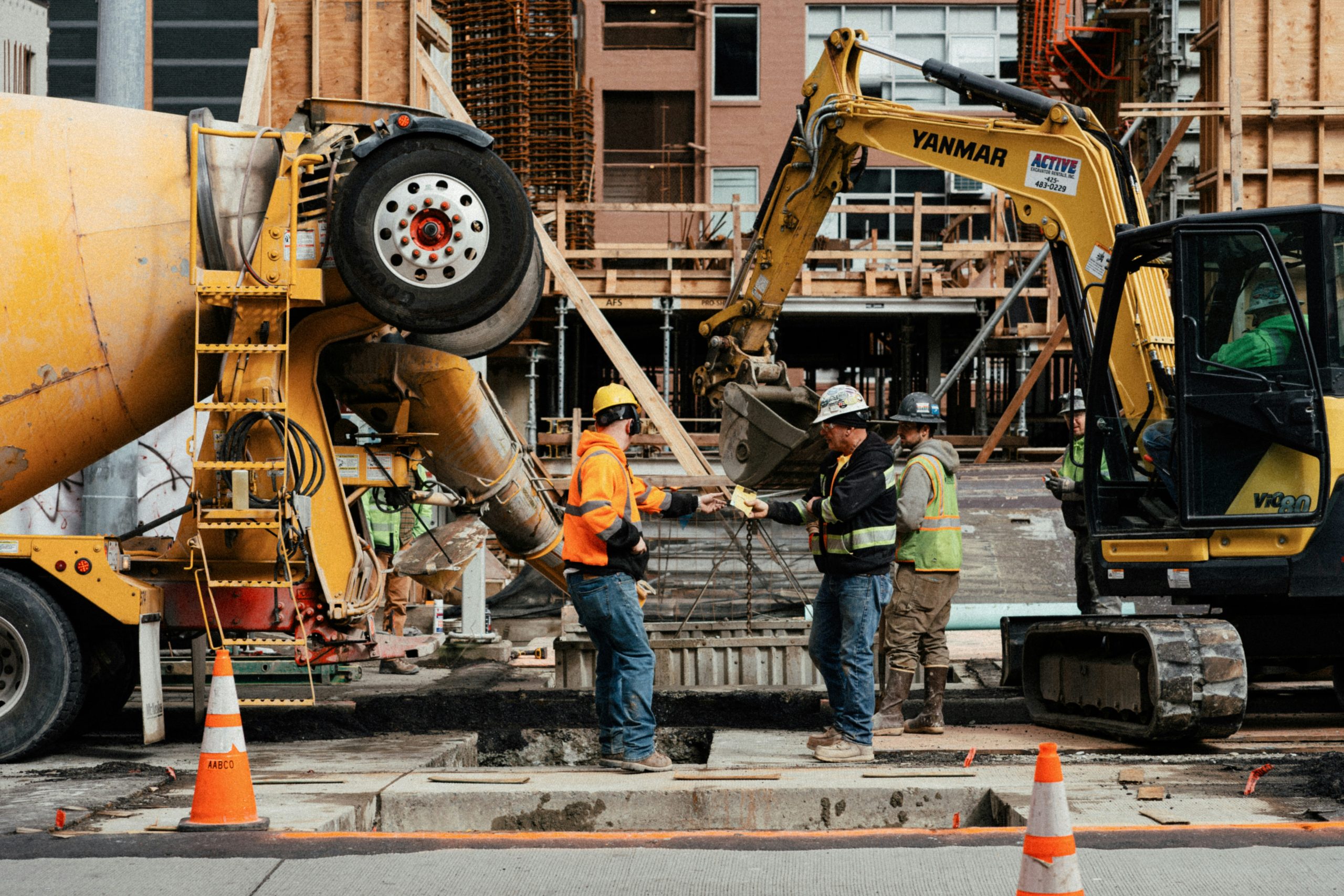
General contractors require subcontractors to carry their own insurance primarily to manage their own risk. This ensures that if a sub causes damage or injury, the claim is handled by the sub’s insurer, protecting the general contractor’s policy from increased premiums and potential cancellation. It’s a fundamental part of managing the inherent risks in any construction project.
What is Subcontractor Insurance and Why is it Necessary?
Subcontractor insurance is a collection of policies designed to cover the specific liabilities and risks faced by a subcontractor performing work on a construction project. This typically includes General Liability Insurance, which covers third-party bodily injury and property damage caused by the subcontractor’s operations or completed work. Many also carry Workers’ Compensation Insurance, a statutory requirement in most states, to cover medical expenses and lost wages for their own employees if they are injured on the job.
The necessity of this insurance stems from the cascade of potential liabilities on a construction site. Even with the best intentions and safety protocols, accidents happen. A poorly secured ladder could fall and injure someone walking by, or faulty wiring installed by an electrical subcontractor could lead to a fire. Without the subcontractor having their own insurance, the general contractor would likely be brought into these claims, potentially impacting their own insurance rates.
Imagine you’re building a new deck. You hire a concrete company to pour the foundation. If one of their employees accidentally damages your neighbor’s fence while operating a cement mixer, or if they injure themselves due to their own negligence, their insurance steps in to cover these costs. Without it, you, as the general contractor, might find yourself on the hook.
Understanding the insurance requirements for subcontractors is crucial for general contractors to mitigate risks on construction projects. A related article that delves into the broader implications of insurance on property safety is titled “How Does a Home Security System Affect My Home Insurance Premium?” This article explores how various safety measures, including security systems, can influence insurance costs and coverage, highlighting the importance of risk management in both home and construction environments. For more insights, you can read the article here: How Does a Home Security System Affect My Home Insurance Premium?.
How Subcontractor Insurance Protects the General Contractor
General contractors act as the primary orchestrator of a construction project, bringing together various specialized trades. While they maintain their own comprehensive insurance, the sheer volume and diversity of subcontractors they engage amplifies their overall exposure. Requiring subcontractors to carry their own insurance is a strategic risk management technique.
When a subcontractor is insured, their Commercial General Liability (CGL) policy is typically the first line of defense in the event of an incident. This means if a sub’s work causes damage to a third party’s property – say, a plumbing sub accidentally floods a client’s basement – the sub’s insurer will handle the claim and damages. This prevents the general contractor’s own CGL policy from being directly impacted.
Furthermore, many general contractors will request to be named as an “Additional Insured” on the subcontractor’s CGL policy. This grants the general contractor coverage under the sub’s policy for claims arising from the sub’s specific operations. It’s like having a co-pilot in a plane; if something goes wrong with the sub’s performance, the general contractor has an extra layer of protection. This doesn’t give the GC free reign to make claims for their own broader negligence, but it does extend coverage for the sub’s actions.
The Role of Additional Insured Status
Being named as an Additional Insured on a subcontractor’s policy is a critical safeguard for general contractors. It essentially extends the coverage of the subcontractor’s insurance to protect the general contractor as well, but only for the liabilities stemming from the subcontractor’s work. This is a common request and a standard practice in the construction industry.
Think of it like this: The subcontractor has their own insurance policy, like their own car insurance. When they agree to add the general contractor as an Additional Insured, they’re essentially saying, “If something happens because of what I did, my insurance will also help protect your car.” This is crucial because contractors often operate on the same job site, and the actions of one can directly impact another.
This status is particularly important if the subcontractor’s work directly causes damage to another part of the project, or if their operations lead to injuries of other workers on site which are not covered under workers comp for their own employees but fall under third party liability. Without this designation, the general contractor would have to rely solely on their own insurance, which could lead to higher premiums or even claim denial if the claim is deemed to be solely the responsibility of the subcontractor. It creates a more robust risk-sharing environment on the project.
Mitigating Financial Risk and Avoiding Litigation
The primary driver behind general contractors requiring subcontractor insurance is the mitigation of their own financial risk. Construction projects involve inherent uncertainties and potential for errors, accidents, and unforeseen circumstances. Without adequate insurance from subcontractors, a single incident could lead to catastrophic financial losses for the general contractor.
For example, imagine a roofing subcontractor’s negligence leads to a severe leak that causes extensive water damage to a building’s interior. Without the subcontractor having their own General Liability insurance, the general contractor would likely be responsible for covering these damages. This could involve costly repairs, business interruption claims, and potentially even lawsuits. By requiring proof of insurance and often naming themselves as an Additional Insured, the general contractor ensures that the subcontractor’s insurer bears the initial financial burden.
This also significantly reduces the likelihood of costly litigation. When a subcontractor is insured, their insurance carrier will typically appoint legal counsel and handle the defense of any claims or lawsuits brought against their insured. This shields the general contractor from having to engage their own legal team for issues that are directly attributable to the subcontractor’s actions or omissions. It’s like having a pre-arranged legal backup plan, saving time, money, and headaches.
Consider a scenario in the dead of winter. A subcontractor installing HVAC systems in a new build leaves a portion of the system exposed during a particularly cold snap, causing it to freeze and burst. The resulting water damage could be substantial. If the HVAC sub has proper insurance, their carrier addresses the damage. If not, the general contractor faces the bill, potentially delaying the project and impacting their reputation.
Understanding the importance of insurance in the construction industry is crucial for both general contractors and subcontractors. A related article that delves deeper into this topic is available at Kaufman Insurance Group, where you can find insights on why having proper insurance coverage is essential for protecting all parties involved in a project. This knowledge not only helps in mitigating risks but also fosters a more secure working environment.
Ensuring Compliance and Maintaining Business Relationships
Requiring subcontractors to carry their own insurance isn’t just about financial protection; it’s also about ensuring smooth project execution and fostering strong business relationships. Many clients, especially in commercial or large-scale residential projects, will mandate that all contractors and subcontractors hold specific insurance coverage as a condition of the contract.
By having these requirements in place, general contractors demonstrate to their clients that they are taking a professional and responsible approach to project management. It builds trust and confidence, knowing that all parties involved have the necessary protections in place. This can be a deciding factor when a client is selecting a general contractor, especially for complex or high-value undertakings.
Furthermore, clear insurance requirements prevent misunderstandings and disputes down the line. When a subcontractor agrees to a contract that explicitly states their insurance obligations, they are entering into an agreement with full knowledge. This proactive approach minimizes the chance of arguments over who is financially responsible if an incident occurs. It sets a professional tone for the entire working relationship.
Think about it like this: if you’re hiring a painter, you’d want to know they have the right tools and expertise. Insurance is a critical part of that professional toolkit. It shows they are prepared for the unexpected and have a plan in place, which allows the general contractor to focus on the overall project without worrying about basic coverage gaps.
Types of Insurance General Contractors Require from Subcontractors
General contractors typically specify a core set of insurance coverages they require from their subcontractors to ensure comprehensive protection. The most common and essential policies include:
Commercial General Liability (CGL) Insurance
- Coverage: This is the foundational policy. It protects the subcontractor against claims of bodily injury or property damage to third parties caused by their business operations, products, or on-premises.
- Example: If a framing subcontractor’s tools are left out and cause someone to trip and fall, CGL would cover the injured party’s medical expenses and any legal costs. Or, if faulty installation by an electrical subcontractor leads to a fire damaging the building itself, CGL would respond.
- Limits: General contractors will specify minimum coverage limits, often $1 million per occurrence and $2 million in the aggregate.
Workers’ Compensation Insurance
- Coverage: This is a statutory requirement in most states. It provides wage replacement and medical benefits to employees who get injured or ill on the job.
- Example: If a concrete finisher on a hot summer day suffers heat stroke and cannot work for a month, their Workers’ Comp policy covers their lost wages and medical bills. This is non-negotiable.
- Importance: It protects the subcontractor’s employees and, crucially for the GC, prevents employees of the subcontractor from suing the general contractor directly for work-related injuries in many situations.
Automobile Liability Insurance
- Coverage: This policy covers bodily injury and property damage caused by the subcontractor’s business-owned, leased, or hired vehicles.
- Example: If a delivery driver for a landscaping subcontractor driving a company truck causes an accident, this policy would cover the damages to the other vehicle and any injuries sustained by its occupants. Driving company vehicles to and from job sites, even if just for material pickup near Cleveland, is covered.
- Requirement: General contractors often require specific limits for this coverage as well, reflecting the risks associated with transportation on and off the job site.
Professional Liability Insurance (Errors & Omissions)
- Coverage: This is more specific and generally applies to subcontractors whose work involves design or professional advice. It covers claims arising from negligence, errors, or omissions in their professional services.
- Example: If an architectural subcontractor makes a design error that leads to structural problems in a building, E&O insurance would cover the costs associated with rectifying the error and any resulting damages.
- Relevance: While not universally required for every trade, it’s essential for engineers, architects, designers, and sometimes even specialized consultants.
Umbrella or Excess Liability Insurance
- Coverage: This policy provides an additional layer of liability coverage above and beyond the limits of the subcontractor’s primary CGL, Auto Liability, or Employers’ Liability policies.
- Example: If a major incident occurs resulting in damages exceeding the $1 million limit of a subcontractor’s CGL policy, the umbrella policy could kick in to cover the remaining liability, preventing devastating financial exposure for both the sub and the GC.
- Value: It’s often required for larger, higher-risk projects where the potential for catastrophic loss is greater.
Obtaining Proof of Insurance: Certificates of Insurance (COIs)
A crucial step in the process is verifying that subcontractors actually carry the required insurance. This is done through the issuance of a Certificate of Insurance (COI). A COI is a document issued by an insurance carrier or broker that provides a summary of the types and limits of coverage a policyholder has.
General contractors meticulously review COIs from their subcontractors to ensure they meet all contractual insurance requirements. This includes:
- Confirmation of Coverage: Verifying that the listed coverages are indeed in place.
- Adequate Limits: Checking that the policy limits meet or exceed the contractor’s specified minimums.
- Effective Dates: Ensuring the policy is active for the duration of the subcontractor’s work on the project.
- Additional Insured Status: Confirming that the general contractor has been correctly added as an Additional Insured where required.
It’s vital for general contractors to have a robust system for managing COIs. This can involve dedicated personnel or software solutions to track expiration dates and ensure compliance. If a subcontractor’s policy expires mid-project, the general contractor needs to be alerted immediately to request an updated COI. Failure to do so could leave the general contractor exposed if an incident occurs.
Think of a COI as a passport for the subcontractor. It proves they have the right credentials (insurance) to be working on the project. Without a valid passport, they shouldn’t be allowed to proceed.
What Happens If a Subcontractor Lacks Proper Insurance?
When a subcontractor fails to provide adequate proof of insurance or their coverage lapses, it creates a significant risk for the general contractor. This situation can trigger several negative consequences:
- Project Delays: The general contractor may have to halt work performed by that subcontractor until proper insurance is secured. This can throw the entire project schedule off, leading to additional costs and potential penalties.
- Increased GC Insurance Premiums: If a claim occurs that should have been covered by the subcontractor’s insurance, but wasn’t, the general contractor’s own insurance policy will likely be triggered. This can lead to higher premiums for the general contractor at renewal time, or even difficulties in obtaining insurance.
- Direct Financial Responsibility: In cases where the subcontractor’s insurance is insufficient or non-existent, the general contractor may become directly liable for any damages or injuries caused by that subcontractor’s work. This could involve significant out-of-pocket expenses for repairs, medical bills, or legal settlements.
- Litigation: Without the subcontractor’s insurer to defend them, both the subcontractor and the general contractor could face lawsuits from injured parties or property owners.
- Contractual Breaches: Most construction contracts include strict insurance requirements. A lack of insurance is a direct breach of contract, giving the general contractor grounds to terminate the subcontractor from the project. This can lead to the expense of finding and onboarding a replacement, further delaying the project.
For example, if a sub-contractor working through a harsh Ohio winter on a new foundation doesn’t have adequate coverage, and a freeze-thaw cycle causes damage to the newly poured concrete due to improper curing methods they were responsible for, the general contractor would directly face the cost of repair if the sub is uninsured. This is precisely why the initial vetting process, including verification of insurance, is so critical.
The Role of Kaufman Insurance Group in Managing Subcontractor Insurance
At Kaufman Insurance Group, we understand the complexities and risks associated with construction projects. Our role as independent agents, representing over 100 carriers, is to help general contractors navigate this landscape effectively. We don’t just sell policies; we provide solutions.
We work with general contractors to establish clear and comprehensive insurance requirements for their subcontractors. This includes advising on the appropriate types of coverage and minimum limits needed for different trades and project scopes. We help craft insurance clauses for subcontractor agreements that are legally sound and adequately protect our clients.
Our team then assists in the verification process. We can help general contractors manage their subcontractors’ Certificates of Insurance (COIs), ensuring they are current, accurate, and meet all stipulated requirements. We’re proactive in tracking expiration dates and reminding subcontractors of renewal obligations. This frees up the general contractor to focus on managing the project itself.
For the subcontractors themselves, we provide access to a broad market of insurance providers. This means we can often find competitive coverage options that meet the demanding requirements of general contractors. We explain the policies clearly, ensuring subcontractors understand what they are purchasing and how it protects them. Effectively, we help bridge the gap between the needs of the general contractor and the insurance solutions available to the subcontractor, fostering a more secure and efficient construction environment for everyone involved. This comprehensive approach helps to minimize disputes and ensures that when something unexpected happens, the right insurance is in place to address it.
Whether you are in Northeast Ohio or anywhere across the country, Kaufman Insurance Group is licensed. Contact us to shop 100+ Top Carriers.
FAQs
What is the purpose of subcontractors having their own insurance?
Subcontractors are required to have their own insurance to protect themselves and the general contractor from potential liabilities and risks associated with the work they perform.
What types of insurance do subcontractors typically need to have?
Subcontractors are typically required to have general liability insurance, workers’ compensation insurance, and possibly professional liability insurance, depending on the nature of their work.
How does subcontractor insurance benefit general contractors?
Subcontractor insurance benefits general contractors by transferring the risk of potential accidents, property damage, or other liabilities to the subcontractor’s insurance policy, reducing the general contractor’s own exposure to financial loss.
What happens if a subcontractor does not have insurance?
If a subcontractor does not have insurance, it can create significant risk for both the subcontractor and the general contractor. In some cases, the general contractor may refuse to work with uninsured subcontractors, or the subcontractor may be held personally liable for any damages or injuries that occur.
Are there any legal or regulatory requirements for subcontractor insurance?
In many jurisdictions, there are legal or regulatory requirements for subcontractors to carry certain types of insurance, such as workers’ compensation insurance. Additionally, general contractors may include specific insurance requirements in their contracts with subcontractors to ensure adequate protection for all parties involved.