
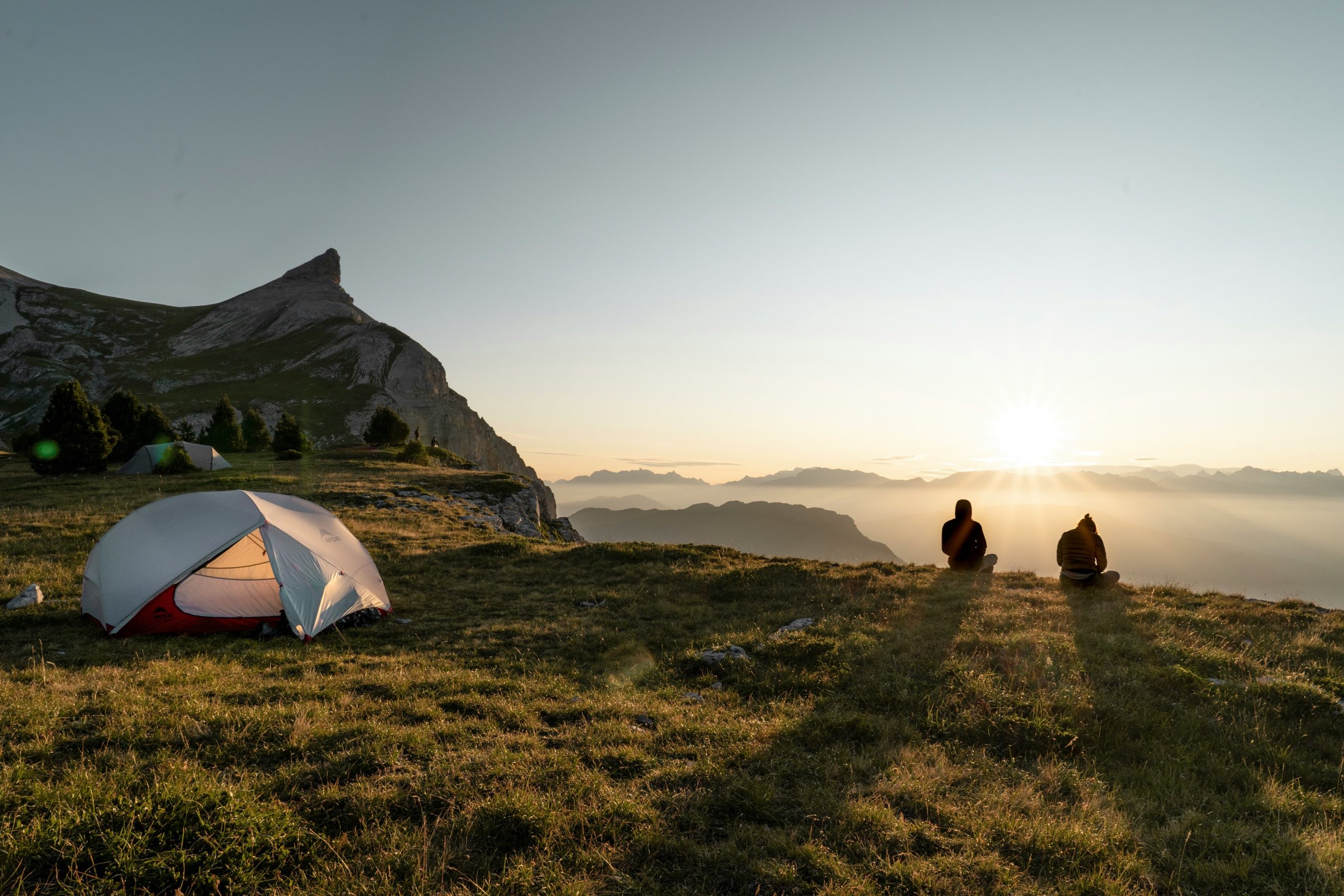
Campsite liability insurance protects RV owners from financial responsibility if someone is injured or their property is damaged at their campsite. Even if you’re careful, accidents happen, and this coverage can be essential.
What Does Campsite Liability Insurance Cover?
This insurance is specifically designed for incidents that occur on your rented campsite. It’s about protecting you from claims made by third parties.
Slips, Trips, and Falls: Common Risks
Imagine a neighbor tripping over a loose rug outside your RV. Campsite liability can cover their medical bills and your legal defense if they sue. This isn’t just about significant hazards; even small things can cause an injury.
Property Damage: Accidents Happen
A sudden gust of wind could send your awning crashing onto your neighbor’s new grill. Your campsite liability policy would likely cover the cost of repairing or replacing that grill. It’s about accidental damage you cause to others’ belongings.
Fire and Other Disasters: When Things Go Wrong
If a faulty electrical connection in your RV leads to a fire that spreads to a neighboring site, your campsite liability can cover the damages. This applies to situations where your actions, or something related to your RV, accidentally causes harm off your specific spot.
Why is Standard RV Insurance Not Enough for Campsite Liability?
Many RV owners assume their primary RV insurance policy covers everything. However, there are significant gaps when it comes to campsite liability.
Limitations of Personal Auto Policies
Your auto policy for your RV primarily covers accidents while driving down the road. It’s for collisions, comprehensive claims, and liability arising from operating the vehicle. Once parked and set up, its scope changes considerably.
Homeowner’s Insurance on the Road: Not Always Applicable
While some homeowner’s policies offer limited personal liability coverage extending beyond your primary residence, it’s often not comprehensive for RV use. There can be exclusions for recreational vehicles or for incidents that occur away from your deeded property. It’s a risk to assume your home policy will fully protect you at a campground.
The “At Your Campsite” Distinction
The core difference is the location of the incident. Standard RV insurance handles things “on the road.” Campsite liability focuses on events that happen “at your site” during your stay. This distinction is crucial for proper protection.
Specific Scenarios Requiring Campsite Liability
Understanding the nuances of real-world situations helps illustrate the need for this coverage.
Guest Injuries: Protecting Your Visitors
If you invite friends or family to your campsite and one of them is injured, say, by a faulty step on your RV, campsite liability can respond. It’s about protecting you when your invited guests are involved.
Damage to Campground Property: Accidents with Common Areas
Misjudging a turn while parking and clipping a campground utility pole, or accidentally damaging a picnic table provided by the park, could be covered. This extends to property belonging to the campground itself.
Interactions with Other Campers: Accidental Harm
A branch from your campfire, accidentally flung, could land on a neighboring tent, causing damage. Or a child from your site, while playing, could inadvertently knock over another camper’s valuable equipment. These unintended incidents fall under campsite liability.
The Importance of Adequate Coverage for RV Owners
This isn’t about scare tactics; it’s about being prepared for common, albeit unfortunate, occurrences. The financial implications of a liability claim can be substantial.
Medical Bills and Legal Fees: The High Cost of Accidents
A serious injury can lead to significant medical expenses. Without adequate coverage, you could be personally responsible for these costs. Furthermore, even if you are not found at fault, defending yourself against a lawsuit involves considerable legal fees.
Protecting Personal Assets: Your Home, Savings, and Future
In a severe liability case, without proper insurance, your personal assets—your home, savings, investments—could be at risk. This coverage acts as a financial shield for everything you’ve worked for. A judgment against you could impact your credit and future earning potential.
Maintaining Good Neighbor Relations: Avoiding Disputes
Having insurance readily available to cover damages or injuries means you can handle situations responsibly and fairly. This can prevent disputes from escalating and maintain good relationships with fellow campers and campground owners. An insurance claim is often smoother than a personal confrontation.
How to Acquire Campsite Liability Insurance
There are typically two main ways to secure this important coverage.
Adding it to Your RV Insurance Policy: The Most Common Route
Many RV insurance carriers offer campsite liability as an endorsement or an inherent part of their comprehensive RV policies. When you quote your RV insurance, it’s vital to confirm this coverage is included and at what limits. This is usually the easiest and most cost-effective way to get it.
Standalone Policies: For Specific Needs
In some cases, perhaps if your primary RV insurer doesn’t offer robust campsite liability, or for unique situations, a standalone policy might be available. This is less common but worth exploring if your primary option falls short.
Communicating with Your Insurance Agent: Asking the Right Questions
When discussing your insurance needs, be explicit about your RV usage. Ask:
- Does my policy include campsite liability coverage?
- What are the limit limits for bodily injury and property damage under this section?
- Are there any exclusions I should be aware of when my RV is parked and set up? (e.g., incidents involving certain recreational equipment like ATVs if you tow them).
- Does it cover invited guests on my site?
Understanding Coverage Limits and Deductibles
Like most insurance, campsite liability comes with specific financial parameters.
Bodily Injury Limits: Protecting Against Personal Harm
This is the maximum amount your policy will pay for medical expenses and pain and suffering if someone is injured at your site. You’ll often see limits like “$100,000 per person/$300,000 per accident.” Consider how a serious injury could escalate costs quickly.
Property Damage Limits: Safeguarding Others’ Belongings
This limit covers the cost of repairing or replacing property belonging to others that you accidentally damage. Typical limits might be “$50,000” or “$100,000.” Think about what an adjacent luxury RV or park utility box might cost to repair.
Deductibles: Your Out-of-Pocket Contribution
While campsite liability typically doesn’t have a separate deductible like comprehensive or collision coverage, some policies might apply a deductible to certain property damage claims. Always clarify this point with your agent. Liability is usually paid out before you pay a deductible.
Choosing Appropriate Limits: A Practical Approach
When selecting limits, it’s often wise to choose coverage that aligns with your assets. If you have significant savings and investments, opting for higher liability limits (e.g., $500,000 or $1,000,000) provides a stronger financial buffer against large claims. The incremental cost for higher limits is often relatively small compared to the increased protection.
Real-World Analogies for Understanding Campsite Liability
Think about how other forms of liability insurance work to better grasp this concept.
Homeowner’s Liability vs. Campsite Liability
Your homeowner’s policy covers you if someone slips on your porch or if a guest is injured while visiting your home. When you’re RVing, your campsite essentially becomes your temporary “home.” Campsite liability bridges the gap for risks specific to that temporary dwelling. It’s extending the “host” responsibility to your RV site.
Car Insurance Liability vs. Campsite Liability
Your auto insurance liability covers you if you cause an accident while driving your RV. Once you’re parked at a campground, the focus shifts. Campsite liability picks up where your auto policy’s “in-motion” liability ends, protecting you from stationary risks. It’s about the difference between moving down the road and being set up in a spot.
The “Good Neighbor” Policy: More Than Just Courtesy
While being a good neighbor is about etiquette, having campsite liability is about being a responsible neighbor. It ensures that if an unfortunate accident occurs on your watch, even unintentionally, you can make things right without facing significant personal hardship. It’s about preparedness, not just politeness.
Potential Exclusions to Be Aware Of
Even with robust coverage, certain situations might not be covered. It’s important to review your policy document.
Intentional Acts: Not Covered
Campsite liability, like most insurance, does not cover intentional acts. If you purposefully damage someone’s property or intentionally cause injury, your policy will not respond. Insurance is for accidents.
Commercial Use: Different Coverage Needed
If you use your RV for any commercial purposes (e.g., renting it out, operating a business from it), standard campsite liability likely won’t cover incidents related to that commercial activity. You’d need specific commercial RV insurance.
Incidents Off Your Site: The Boundary Matters
Generally, campsite liability is confined to incidents occurring on or immediately adjacent to your rented campsite. If an incident happens across the campground in a common area for which you are not directly responsible, your policy may not apply there.
Unmanned Recreational Vehicles: ATVs, Golf Carts
If an incident involves an ATV, golf cart, or other recreational vehicle that isn’t primarily covered by your RV’s auto liability, you’ll need separate coverage for those specific vehicles. Don’t assume your RV policy extends to all your “toys.”
Maintenance and Winter Lay-Up Considerations
Even when your RV is not actively being used or is stored, liability can still be a factor.
Off-Season Storage: What About Liability?
If your RV is stored on your property or at a storage facility during the winter lay-over, its liability requirements change. While it’s not “campsite” liability in the traditional sense, you still need to ensure you’re covered if someone is injured getting into or around your parked RV. Your homeowner’s policy might extend to this, but it’s worth verifying.
Seasonal Campsites: Extended Stays, Extended Risk
For those with seasonal campsites, where their RV remains parked for months, the ongoing need for campsite liability is essentially no different than a full-time RVer. The longer your RV is a “home base,” the higher the cumulative chance of an incident.
Prepping for Travel: Inspecting for Hazards
Before heading out for a trip, or even just setting up camp in your driveway for a trial run, actively look for potential hazards. A loose step, a frayed electrical cord, or an unstable awning mechanism could all lead to a liability claim. A quick check, much like inspecting the basement for water leaks in spring, can prevent issues.
Conclusion
Campsite liability insurance is a critical, often overlooked, component of responsible RV ownership. It provides a financial safety net for unexpected incidents that occur on your rented site, protecting you from costly medical bills, property damage claims, and legal fees. Don’t assume your standard RV or homeowner’s policy provides adequate coverage for these specific risks. A brief conversation with your insurance professional can clarify your current coverage and ensure you’re appropriately protected so you can enjoy your travels without unnecessary worry.
Whether you are in Northeast Ohio or anywhere across the country, Kaufman Insurance Group is licensed. Contact us to shop 100+ Top Carriers
FAQs
What is campsite liability insurance?
Campsite liability insurance is a type of insurance that provides coverage for RV owners in case of accidents or injuries that occur at their campsite. It can protect RV owners from legal and medical expenses if someone is injured or their property is damaged while on the RV owner’s campsite.
Why do RV owners need campsite liability insurance?
RV owners need campsite liability insurance to protect themselves from potential financial losses in the event of accidents or injuries that occur at their campsite. Without this insurance, RV owners could be held personally responsible for medical expenses, legal fees, and damages, which could be financially devastating.
What does campsite liability insurance cover?
Campsite liability insurance typically covers bodily injury and property damage that occur at the RV owner’s campsite. This can include medical expenses for injured parties, legal fees, and damages to the property of others. It may also provide coverage for legal defense costs if the RV owner is sued.
How much campsite liability insurance do RV owners need?
The amount of campsite liability insurance needed can vary depending on factors such as the size of the RV, the number of people using the campsite, and the location of the campsite. RV owners should consider the potential risks and liabilities they may face and choose a coverage amount that adequately protects their assets.
Where can RV owners purchase campsite liability insurance?
RV owners can purchase campsite liability insurance from insurance companies that specialize in RV and recreational vehicle insurance. They can also inquire about this coverage with their current auto or RV insurance provider to see if it is available as an add-on to their existing policy.