


If you run a handyman business, keeping costs under control matters. You may be comparing quotes, looking for the cheapest handyman insurance, or wondering whether you can wait until your business grows before buying coverage.
Ohio car and home insurance
Check your car or home insurance price
Pick what you want to insure. Our quote tool checks multiple carriers and shows you their prices on one screen.
Your information comes only to Kaufman Insurance Group. We don't sell it or pass it to other agencies. One of our agents will call to go over your quote for accuracy. No hard sell, no pressure.
Free to check. You don't have to buy anything.
This tool quotes Ohio only and doesn't include every carrier we work with.
Outside Ohio, or want more options? Call or text 330-486-8404 or use our other quote form.
Going uninsured may appear cheaper because you avoid a monthly premium. In practice, one accident can create costs that are far greater than a year of basic coverage.
For many solo handymen, a basic general liability policy may cost roughly $55 to $67 per month, or about $700 to $800 per year. Your actual premium may be higher or lower depending on your work, location, revenue, claims history, employees, and coverage limits.
The cost of one uninsured claim can reach tens of thousands of dollars or more.
The short answer: basic coverage is usually the more manageable cost
A basic handyman insurance policy commonly starts with general liability coverage. This helps address claims that your work caused:
- Bodily injury to a customer, visitor, or other third party
- Damage to a customer’s home or business
- Legal defense costs related to a covered claim
- Certain medical payments, settlements, or judgments, subject to the policy
A policy may cost approximately $700 to $800 annually for a solo operator with straightforward, lower-risk work. However, this is only a planning range. Published cost data varies by provider and business profile.
For example, Insureon’s handyman insurance cost data reports a higher median general liability premium for its customers, while Simply Business reports lower median costs. These figures are not guarantees or quotes. They show why comparing options matters.
Going uninsured costs nothing upfront. But you accept responsibility for the full amount of a claim, including expenses you may not be able to predict or control.
What does handyman insurance protect against?

Handyman work can involve ladders, power tools, plumbing fixtures, electrical components, flooring, drywall, and other parts of a customer’s property. Even a small job can create a substantial loss.
A customer is injured
A customer trips over a toolbox or extension cord and breaks a hip. Medical treatment, rehabilitation, lost wages, and a possible lawsuit can add up quickly.
A moderate injury involving emergency care and a broken bone may cost tens of thousands of dollars. More serious injuries can cost much more.
Your work damages property
You install a fixture, but a connection leaks after you leave. Water damages cabinets, flooring, drywall, and nearby electrical components.
A repair that begins with a small leak can become a $20,000 to $50,000 property claim after remediation and rebuilding. The actual amount depends on the location and extent of the damage.
You face a lawsuit
A customer may claim that your work caused an injury or damaged their property. Even if you believe the claim is unfair, you may still need legal representation.
Attorney fees, expert reviews, court costs, settlements, and judgments can create a serious financial burden. A moderate civil case may cost tens of thousands of dollars to defend. A case that proceeds to trial can cost considerably more.
With appropriate handyman liability insurance, a covered claim may receive a defense and payment for covered damages up to the policy limits. The policy wording, exclusions, deductible, and limits apply.
A simple cost comparison
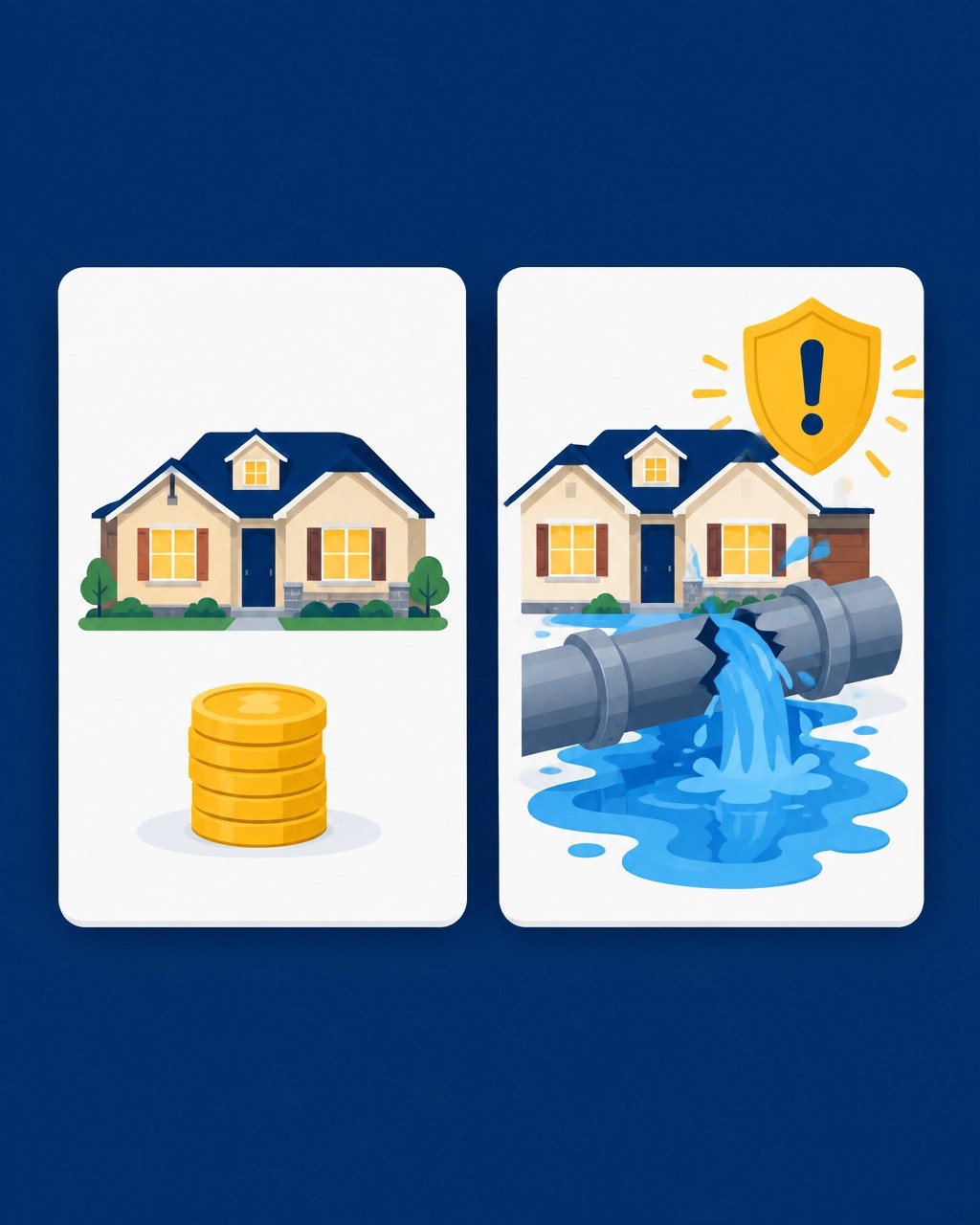
Consider this simplified example for a solo handyman:
| Situation | Approximate cost | Financial result |
|---|---|---|
| Basic general liability policy | $55–$67 per month | Predictable premium for selected coverage |
| One year of coverage | About $700–$800 | Coverage may respond to covered claims, subject to limits |
| Moderate water damage claim | $20,000–$50,000 | You may owe the full amount if uninsured |
| Serious injury claim | $30,000–$60,000 or more | Medical, legal, and settlement costs may fall on you |
| Major lawsuit or structural damage | $100,000 or more | Potentially severe impact on business and personal finances |
These figures are examples, not promises or estimates for your specific business. They are meant to show the difference between a known premium and an unknown liability exposure.
If you are a sole proprietor, a claim may also put personal savings and other assets at risk. Your legal structure can affect how liability is handled, but forming a business entity does not replace insurance.
How much is handyman insurance?
The answer depends on what you do and how your business operates.
Insurers may review:
- The types of jobs you perform
- Whether you do plumbing, electrical, roofing, structural, or elevated work
- Your annual revenue and payroll
- Your location and service area
- Your claims history
- Whether you use employees or subcontractors
- Your coverage limits and deductible
- Whether customers require certificates or additional insured status
A solo handyman who handles light repairs may receive a different quote than a contractor who performs remodeling, exterior work, or larger installations.
The cheapest quote is not always the most useful option. A low premium may come with lower limits, restricted operations, exclusions, or a deductible that you need to pay before coverage responds.
The goal should be affordable handyman insurance that fits the work you actually perform.
What coverage might a handyman business need?
General liability is often the starting point, but it may not address every risk.

General liability
This is the core coverage for many handyman businesses. It can help with third-party bodily injury and property damage claims arising from covered operations.
Review our page about general liability insurance to learn more about this type of protection.
Tools and equipment
General liability usually does not cover your own tools. Tools and equipment coverage may help if drills, ladders, saws, or other business property are stolen or damaged, subject to the policy.
Commercial auto
If you use a truck or van primarily for business, your personal auto policy may not provide the protection you need. Commercial auto coverage can address vehicle-related business risks.
Workers’ compensation
If you hire employees, workers’ compensation may be required. Requirements depend on state law and your business structure. In Ohio, workers’ compensation is handled through the state system.
Certificates of insurance
Property managers, general contractors, and commercial customers may ask for a certificate of insurance before hiring you. A certificate provides evidence of active coverage and listed limits. It does not change the policy by itself.
How to find affordable handyman insurance
Start with accurate information. Tell the agent what you do, what you do not do, where you work, and whether you use helpers or subcontractors.
Then compare coverage, not just price.
Ask:
- What liability limit does the quote provide?
- Are my actual handyman services included?
- Are plumbing, electrical, roofing, or structural jobs restricted?
- Does the policy cover subcontractors or employees?
- Is tools and equipment coverage included?
- Can the agency provide certificates of insurance?
- What deductible and exclusions apply?
At Kaufman Insurance Group, we compare options from multiple insurance companies instead of representing just one carrier. We can review general liability, tools and equipment, commercial auto, workers’ compensation, and related coverage for handyman and contractor businesses.
We are based in Twinsburg, Ohio, and help businesses in Ohio and across the lower 48 states. We also support other trades, including remodeling contractor insurance and painting contractor insurance.
Frequently asked questions
Is cheap handyman insurance worth it?
Yes, if the policy provides meaningful protection for the work you perform. The right low-cost policy can be a sensible business expense. Avoid choosing a policy based only on the lowest premium.
Can I work without handyman insurance?
You may not be legally required to carry general liability in every location or for every type of work. However, customers and property managers may still require it. We do not advise working uninsured because you could be responsible for the entire cost of a covered accident, lawsuit, or property loss.
What is the cheapest handyman insurance?
The cheapest handyman insurance depends on your business details and the coverage you need. Comparing multiple carriers may help you find a more suitable premium without removing important protection.
Does general liability cover my tools?
Usually, no. General liability is designed mainly for third-party injury and property damage. Ask about tools and equipment coverage for your own business property.
Can handyman insurance cover every type of job?
Not necessarily. Coverage depends on the operations listed on the policy. Tell your agent about all the work you perform, including occasional or higher-risk jobs.
Compare your options before you take the next job
Going uninsured may save a monthly premium, but it leaves you responsible for medical bills, property repairs, legal defense, lost income, and possible contract losses.
Basic coverage may cost roughly $55 to $67 per month for some solo operators. That predictable cost is usually easier to plan for than a single uninsured claim that could reach tens of thousands of dollars.
Start by reviewing your work and asking for a comparison. Get a handyman insurance quote from Kaufman Insurance Group, or contact our team with questions. We can help you review available options and choose coverage that fits your business.
Insurance costs, coverage availability, eligibility, limits, exclusions, and requirements vary by state, carrier, business operations, and individual circumstances. This article is for general information and does not replace policy language or advice from a licensed insurance professional.
Outside Ohio, or need RV, boat or business insurance?
We can help with that too. Tell us what you need here and one of our agents will get back to you. Rather talk? Call or text 330-486-8404.

